September 10, 2026
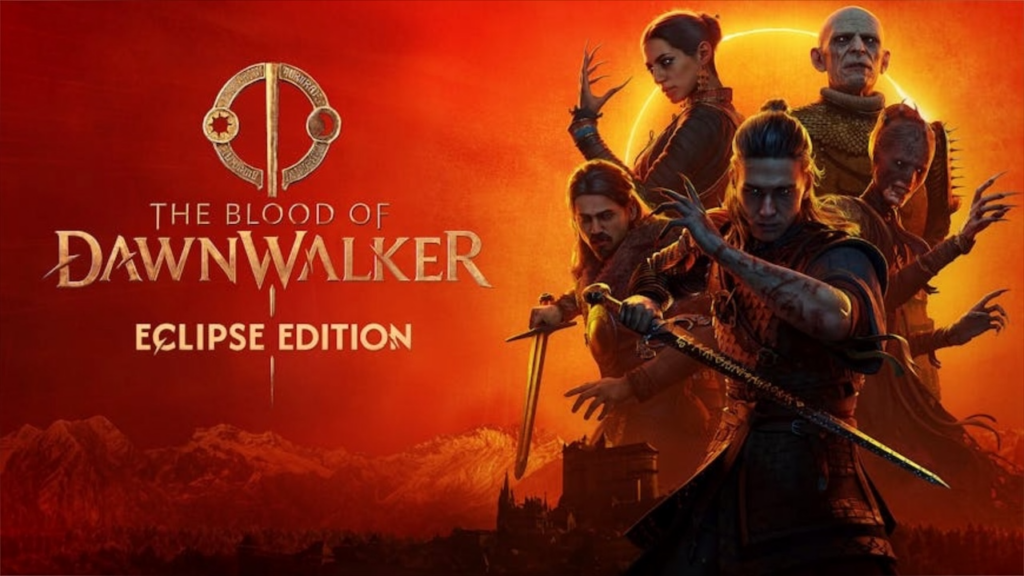
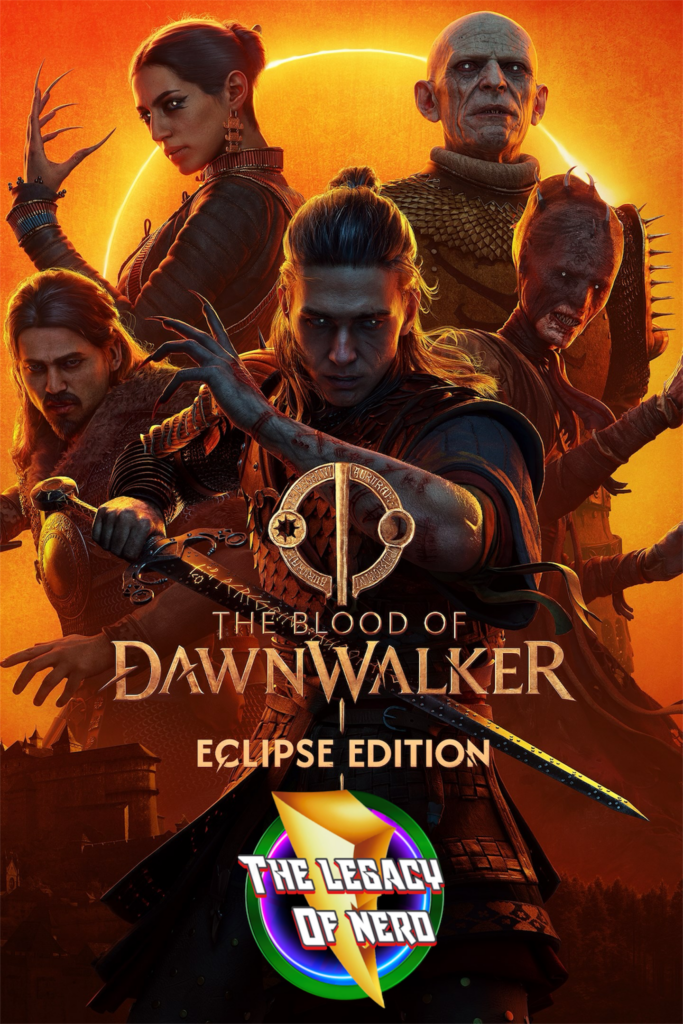
The Blood of Dawnwalker is the kind of new RPG that reminds us why original ideas still matter in gaming. Developed by Rebel Wolves and published by Bandai Namco Entertainment, the game combines dark medieval fantasy, vampire mythology, exploration, action, and player choice into an experience that feels familiar enough for RPG veterans to understand immediately, while still bringing something fresh to the table. Set in the fictional region of Vale Sangora during the devastation of the Black Death, players take control of Coen, a young man whose life is changed forever after becoming a Dawnwalker, a supernatural being caught between humanity and vampirism. Coen’s objective is intensely personal: save his family while confronting the powerful vampire forces controlling his homeland. That personal motivation gives the adventure considerably more weight than simply sending the player into another fantasy world to defeat an evil overlord. From the beginning, there is a genuine sense that Coen is fighting for something that matters.
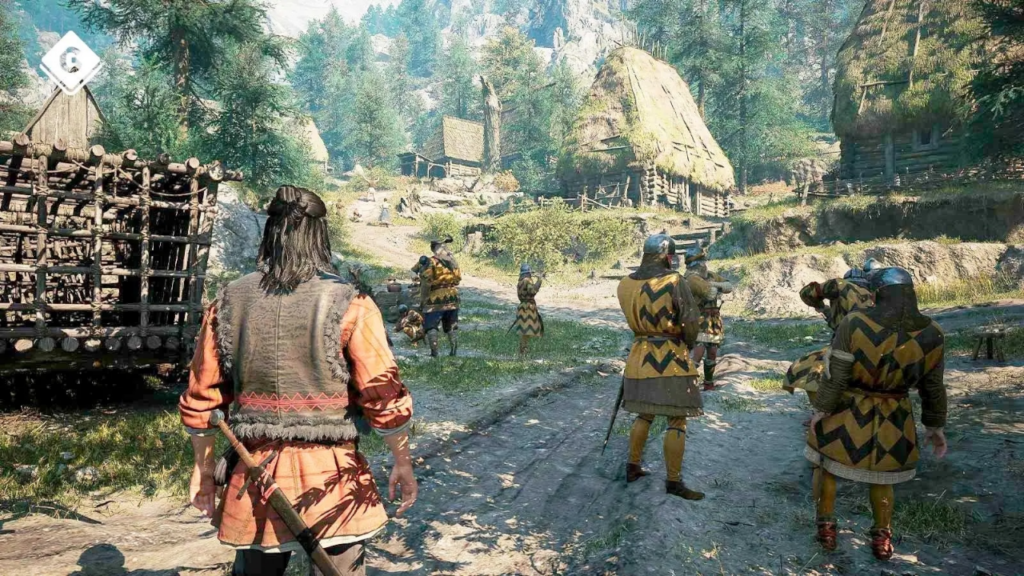
One of the game’s greatest strengths is how it approaches the open-world RPG formula. Fans of The Witcher 3: Wild Hunt will immediately recognize the emphasis on character-driven quests, difficult decisions, morally complicated situations, and a richly developed fantasy setting. Players who enjoy games such as Kingdom Come: Deliverance may also appreciate the grounded medieval atmosphere, while fans of supernatural action games will find plenty to enjoy in Coen’s vampiric abilities. However, Dawnwalker isn’t simply borrowing ideas from those games; it combines them around one particularly clever concept: time matters. Coen has a limited amount of time to accomplish his goals, meaning players have to decide which quests, relationships, discoveries, and objectives deserve their attention. You aren’t necessarily going to experience everything during one playthrough, and that’s a strength rather than a weakness. Your choices can create different experiences, encourage replayability, and make your version of Coen’s story feel distinctly yours. It gives the player something many open-world games struggle to create: a reason to actually think about how they spend their time instead of simply clearing every objective on the map.

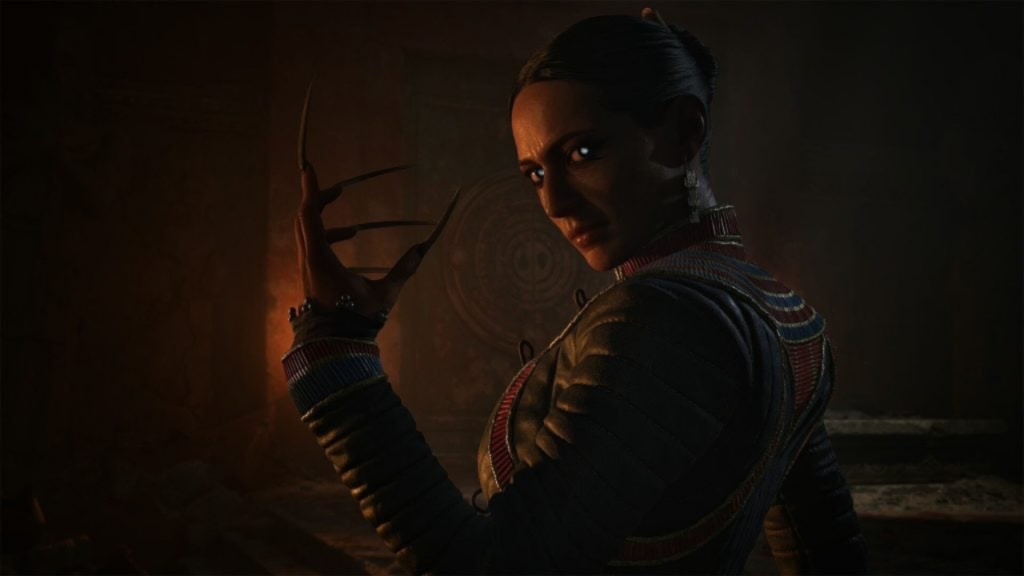
The story is where The Blood of Dawnwalker becomes particularly compelling. Beneath its vampires, monsters, and medieval setting is a story about family, sacrifice, identity, survival, and the consequences of power. Coen’s transformation isn’t merely a convenient gameplay mechanic that gives the protagonist cool abilities; it becomes part of the central conflict. During the day, players experience Coen more closely through his human side, while darkness opens the door to his supernatural capabilities and changes the way he approaches the world. That duality creates an interesting question throughout the adventure: how much of yourself are you willing to sacrifice to accomplish what you need to accomplish? The game’s emphasis on choices also means players can become invested in the characters surrounding Coen rather than treating them as disposable NPCs. For fans, that can create some of the best moments an RPG can offer, the moments when you’re forced to stop and consider whether the decision you’re about to make is actually the one you want to live with.
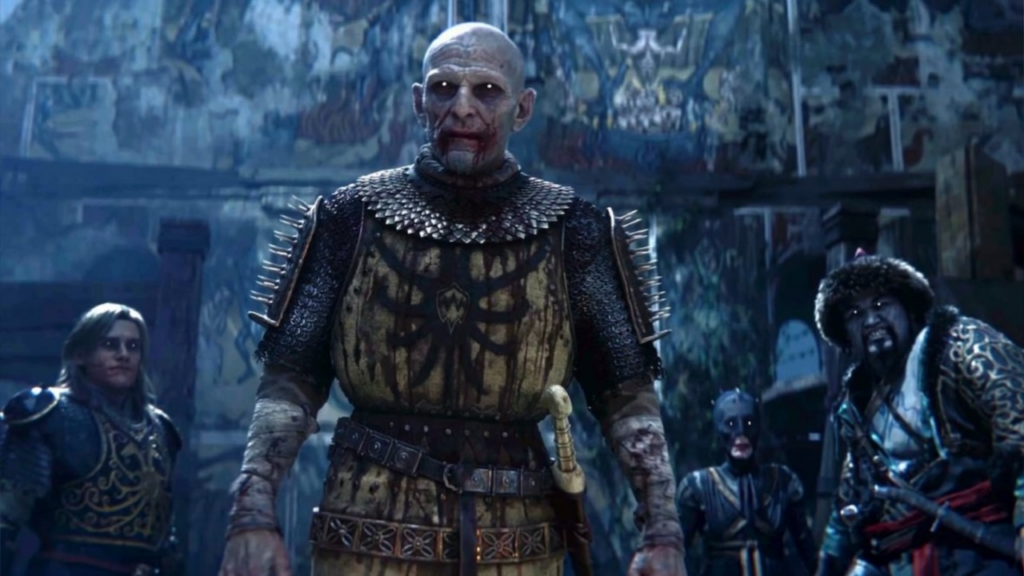
From a gameplay perspective, The Blood of Dawnwalker offers a strong mixture of sword-based combat, supernatural abilities, exploration, stealth, and strategic decision-making. The difficulty provides enough challenge to make combat meaningful without turning the entire experience into an exercise in frustration, while players who are primarily interested in the narrative can approach the game at a more comfortable pace. Most importantly, Dawnwalker brings something valuable to the gaming community: a new IP willing to take risks. In an industry filled with sequels, remakes, and established franchises, Rebel Wolves has created a completely new world and built its identity around player choice, consequences, and an unusual time-management system. The game reportedly surpassed one million copies sold within its first three days, showing players are willing to embrace new worlds when developers give them a compelling reason. The Blood of Dawnwalker isn’t perfect, but it doesn’t need to be. Its ambition, atmosphere, storytelling, and willingness to experiment make it one of the more interesting RPG experiences of 2026. If you’re a fan of dark fantasy, vampires, story-driven adventures, and games where your decisions can genuinely shape your experience, The Blood of Dawnwalker is absolutely worth playing.
Grade: A

Beautifully written.