06/24/2026
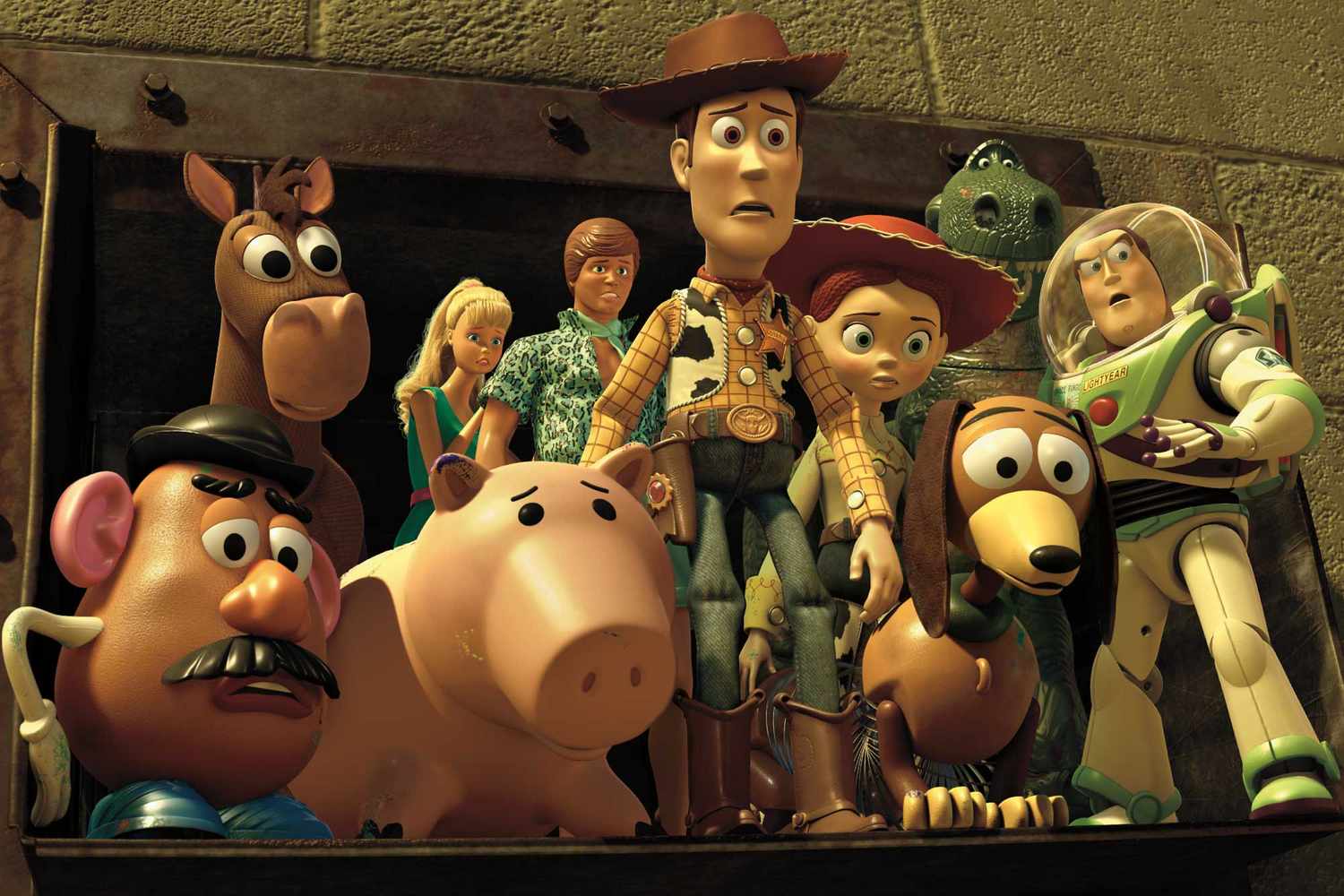
When Toy Story 4 wrapped up, many fans felt the franchise had reached its natural conclusion. Yet, Pixar proves once again that these characters still have plenty of life—and lessons—left in them. Toy Story 5 doesn’t just rehash old adventures; instead, it boldly confronts the modern reality of childhood: the takeover of digital screens.
The Premise: Toys vs. Tech
The core conflict doesn’t feature a traditional villain or an evil mastermind. Instead, the “threat” is something far more relatable to modern parents and kids: Lilypad, a sleek new smart tablet that completely captures Bonnie’s attention.
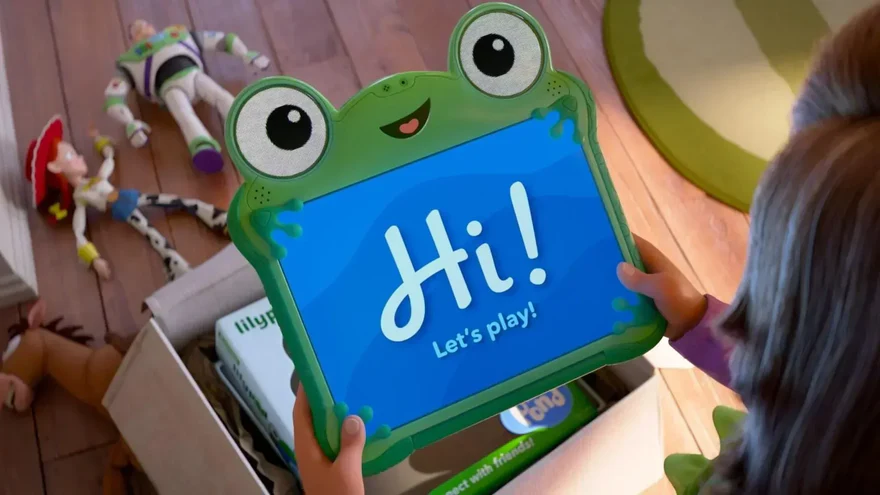
As Bonnie struggles to navigate the pressures of fitting in and making friends, the homespun, classic toys find themselves pushed aside for the allure of a digital screen. This sets Woody, Buzz, and a heavily featured Jessie on a mission not to save a toy from a trash chute, but to save their kid’s childhood and help her make real-world connections.
What Worked: A Mature Metaphor for Growing Up
- A Brilliant Parenting Analogy: At its heart, this film feels like a beautiful love letter to parents. The toys’ struggle to protect Bonnie from screen addiction while letting her grow up mirrors the exact tightrope modern parents have to walk.
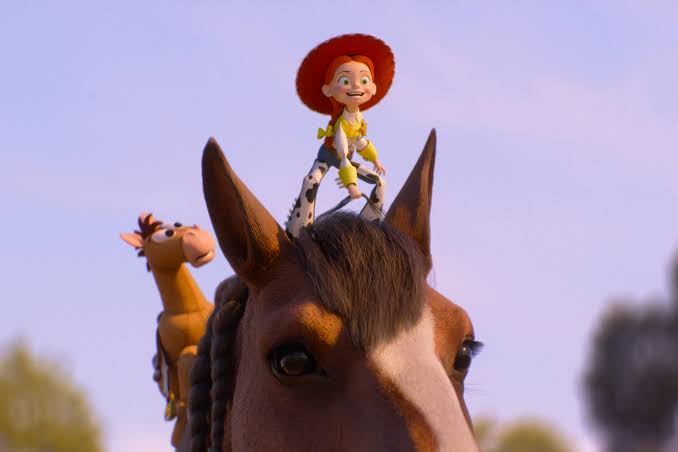
- Jessie Takes Center Stage: While Woody and Buzz give us the classic, bickering dynamic we love, Jessie gets a deeply emotional, standout arc in this film that grounds the entire story and masterfully touches on her long-held fears of abandonment.
- The Technical Upgrade: The animation is visually stunning. The contrast between the soft, plastic, and plush textures of the classic toys against the sharp, glowing UI of modern gadgets is brilliant.
What to Expect: The “Bonnie Trilogy” Vision
If you are expecting a massive, cross-country rescue road trip like previous installments, you might be surprised. Toy Story 5 scales things back to focus intensely on the emotional bonds between the characters and their kid.
Crucially, director Andrew Stanton recently revealed that this film isn’t a reactionary cash-grab, but part of a grander design. Stanton shared that just as the original three films systematically tracked Andy’s entire childhood journey to college, Pixar envisions the “Bonnie era” as its own distinct three-part trilogy (spanning Toy Story 4, 5, and a planned 6). Knowing that Toy Story 5 is intentionally structured as the crucial middle chapter of her story arc gives the film’s open-ended narrative threads a lot of purposeful weight.
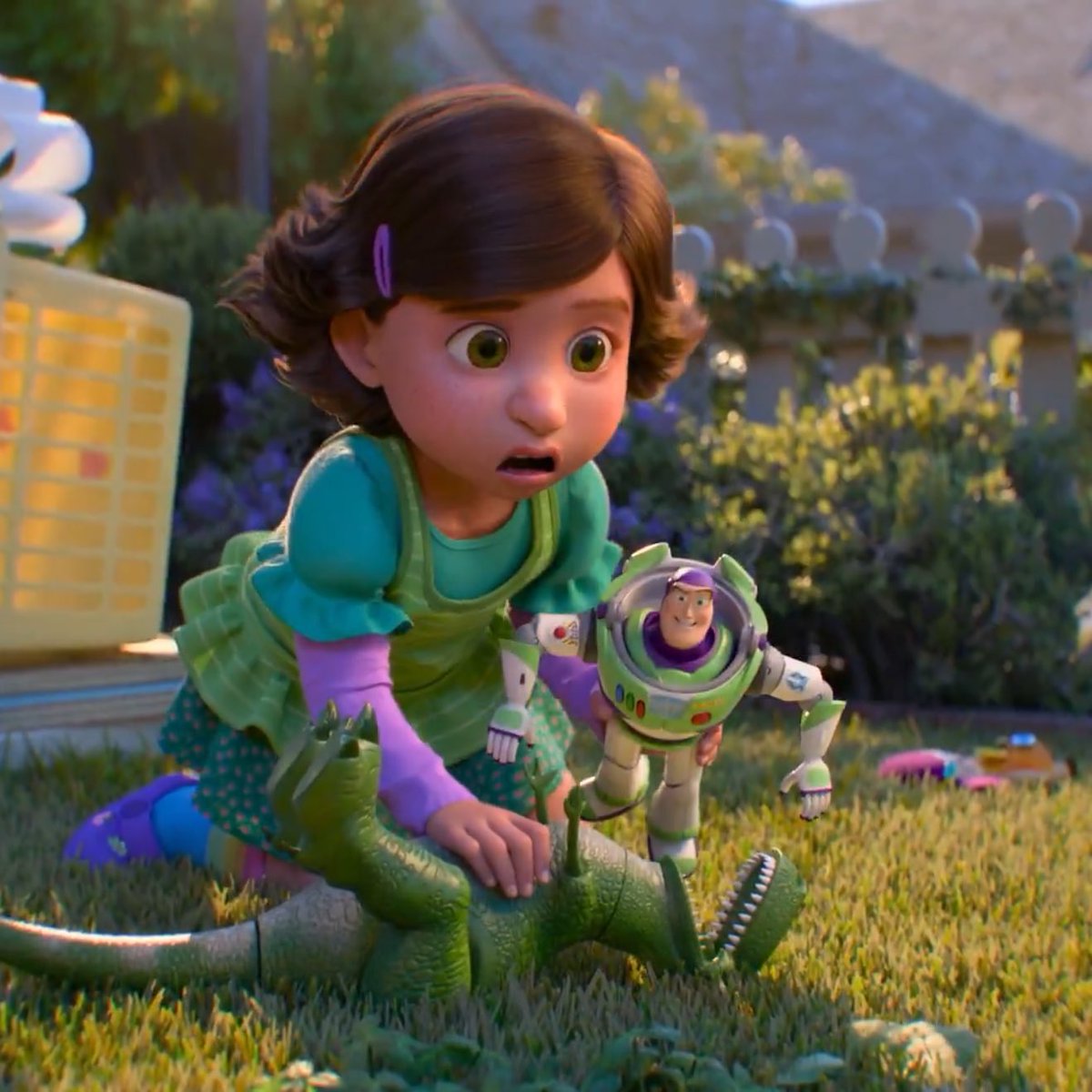
The Verdict: Toy Story 5 successfully avoids being a cynical continuation. Instead of just demonizing technology, it delivers a thoughtful, tear-jerking story about finding balance, adapting to change, and learning how to coexist in a digital world. Bring tissues—Pixar’s emotional radar is as sharp as ever.
